Wokingham Lib Dems step up drain clearing as climate change fuels more extreme rainfall
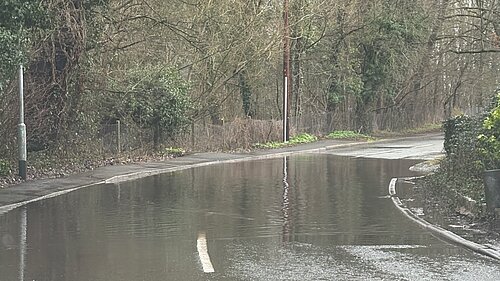
Wokingham Borough Council is investing in more intensive surveying and maintenance of the borough's drainage network as increasingly volatile weather — from record January rainfall to a bone-dry summer — puts growing pressure on the system.
A report to the Community and Corporate Overview and Scrutiny Committee on 7 September set out the latest picture. Last winter brought some of the wettest months on record locally, with January rainfall 194% of the seasonal average, and even average rainfall in September causing issues as it all fell in the first half of the month. Scientists have long warned that climate change means both wetter winters and hotter, drier summers for the UK — and the borough's drainage network is having to cope with both extremes in the same year.
The administration's response has been to move away from a “clear every gully once a year” approach to a targeted, risk-based one. Over the past year, the council's contractor emptied more than 32,000 gullies across the borough as part of routine maintenance, with the highest-risk gullies — on busy roads or under heavy tree cover — now cleared every six months rather than annually.
A dedicated £150,000 programme of detailed surveying, using CCTV crews and root-cutting equipment, has also been targeting known problem areas street by street, from Barkham Street to Beech Lane in Earley, with more locations scheduled through to December.
Is it working?
The early signs are encouraging. Enquiries and orders for drainage repairs — which include everything from blocked gullies to localised flooding and requests for sandbags — fell from 784 in 2024/25 to 484 last year. The council says a particularly dry, hot summer helped, but so did faster processing: routine repairs are now signed off directly by contractors rather than waiting for council sign-off, and there were zero outstanding drainage enquiries in August.
Some of the borough's longest-standing trouble spots are seeing real progress. At Barkham Ride, work to clear blocked pipework — including rerouting cables that had been laid straight through the drainage system — is now being followed up with a redesign of the road itself to stop water pooling at a low point. At Western Avenue, two of three known blockages have been cleared, with further work planned to find and remove the last one.
Other problems have proved more stubborn. At the Star Lane crossing, jetting work has reduced the scale of flooding, but the final blockage still hasn't been located — the team believes vegetation is hiding the pipe, and clearance work will begin this month to get access to it. On Finchampstead Road, a 440-metre ditch that has stopped gullies from draining properly is now scheduled to be cleared in October.
Further ditching work is planned for Bath Road this autumn, alongside the return of the council's annual Riparian Awareness Campaign, reminding landowners of their own responsibilities for maintaining ditches and watercourses on their land.
Councillor Adrian Betteridge, Executive Member for Active Travel, Transport and Highways, said:
"Our drainage network is having to cope with the growing extremes of a changing climate for which it was not designed. On top of this, legacy issues including unmapped drains have contributed to flooding at sites across the borough.
"We're not pretending every problem is solved — Star Lane has taken longer than any of us would like. But targeted surveying and sustained investment are making a difference, and the figures show it."